Affordable housing
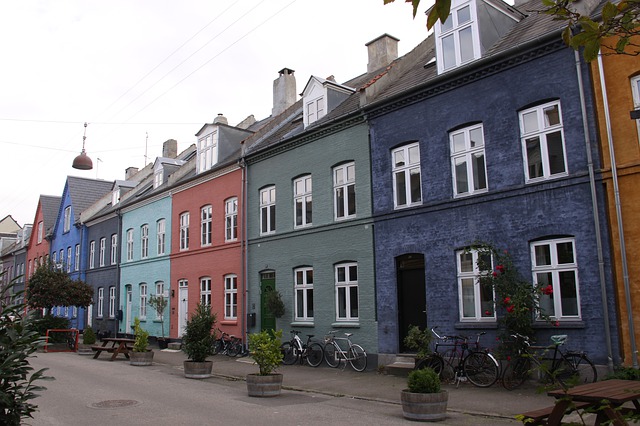
The Universal Declaration of Human Rights was adopted by the UN General Assembly in 1948. It is a programmatic declaration that is not legally binding, but compliance with it reflects the quality and level of individual states. According to the Universal Declaration of Human Rights, everyone has the right to a standard of living that ensures the well-being and health of their family. States, as parties to the Covenant on Human Rights, recognize the right of individuals to an adequate standard of living. This includes sufficient food, clothing, and housing.
While no one in Europe needs to go hungry or go without clothing, the availability of housing is more complicated. Housing has always been one of the highest cost items, which makes it all the more important for the state to create conditions for its availability. This has an impact on other social aspects.
According to a survey by NMS Market Research, young people are staying with their parents longer than they would like. Young couples are postponing starting a family. The reason is the ever-worsening availability of both home ownership and affordable rentals. In larger cities, the price of home ownership has risen by more than 50% in recent years. This, combined with the Czech National Bank\’s strict conditions for granting mortgages, makes home ownership very difficult to achieve. Rental prices are rising so rapidly that even rental housing is becoming increasingly unaffordable for young people. This is especially true in larger cities, where there is a growing group of tenants who share an apartment in a joint rental. Everyone has their own room and shares the rest of the apartment. These are not ideal conditions for starting a family. Very little construction
is taking place. In Prague alone, there is a shortage of tens of thousands of apartments, and demand is constantly increasing because the capital offers the most interesting job opportunities. A major problem in construction is the lengthy approval process. The length of the building permit process ranks the Czech Republic 157th among 190 countries compared. All this creates a clear cause for the ever-increasing cost of housing. Apartments used for short-term rentals such as Airbnb further complicate the problem, but banning them will not solve the problem at all. Similarly, rent control will not ensure that growing demand is met.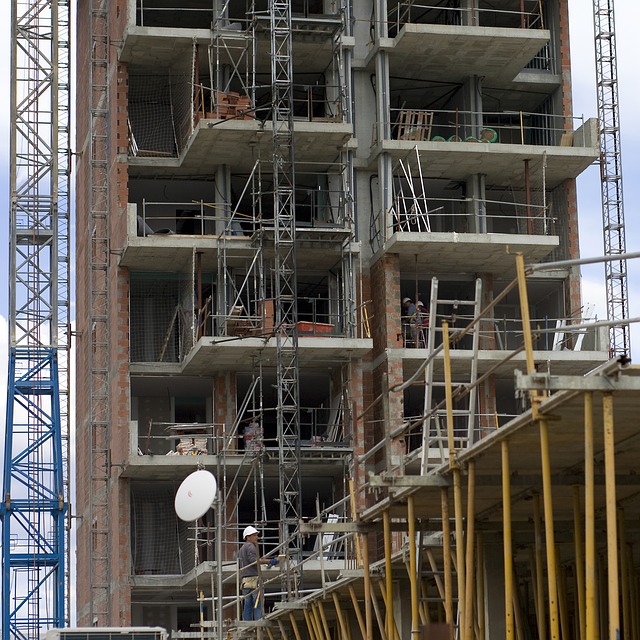
The right solution lies in the hands of the state, which has unfortunately fallen behind, resulting in a deterioration in the availability of housing, as stated in the Universal Declaration of Human Rights. First and foremost, it is necessary to bring the Czech Republic back into line with civilized countries in this regard by adjusting the length of the building permit process. This will speed up construction. More apartments on the market will reduce the unavailability of housing. Two large German cities are good examples of this. The first is Munich, where low construction rates have led to disproportionate increases in apartment prices. In contrast, apartment prices in Berlin have been favorable for many years because a sufficient number of apartments have been built in the city. In the German capital, housing prices began to rise only in connection with declining construction growth. As a result, the city council began to vigorously regulate rent levels. This is a popular gesture that will stop rent increases, but it does not solve the issue of long-term affordable housing. It will not satisfy the growing demand for new housing and may cause new problems in the future. The prices of building materials are rising independently. In connection with this, it may lead to the neglect of housing stock renovation due to a lack of money. Therefore, any regulation must be created with sensitivity.